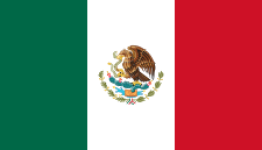

The Evolution of the Mexican Team
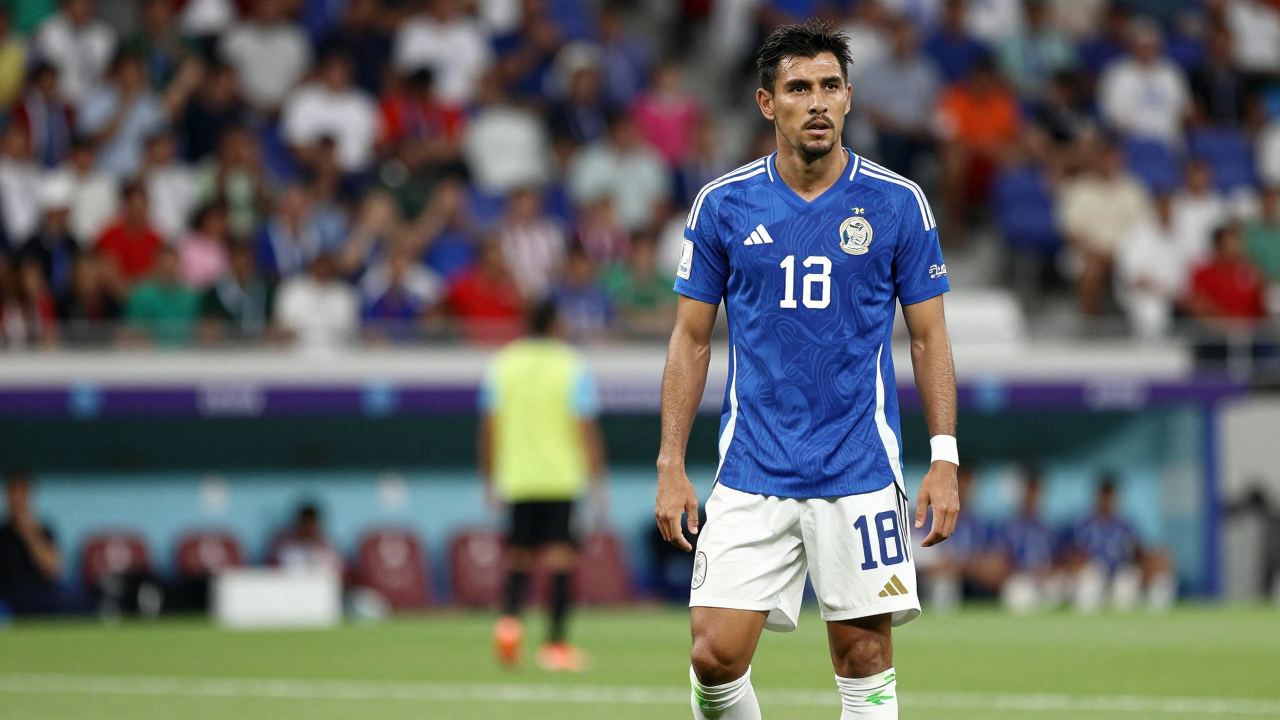
The Mexican national team, known as El Tri, has been in a constant state of evolution as it prepares for the 2026 FIFA World Cup. With a renewed focus under the guidance of the new head coach, the team is not only looking to qualify but also to make a significant mark in the tournament. Recent friendly matches have served as a platform to test new tactics and evaluate the performance of emerging players.
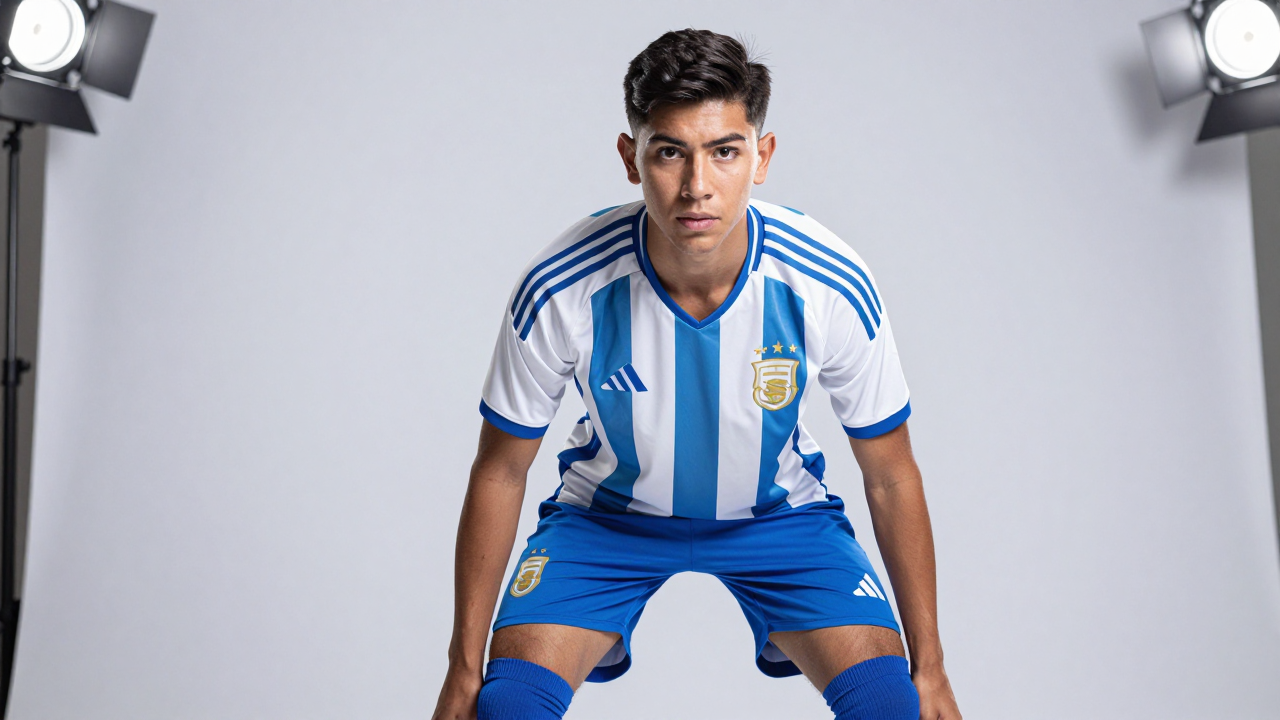
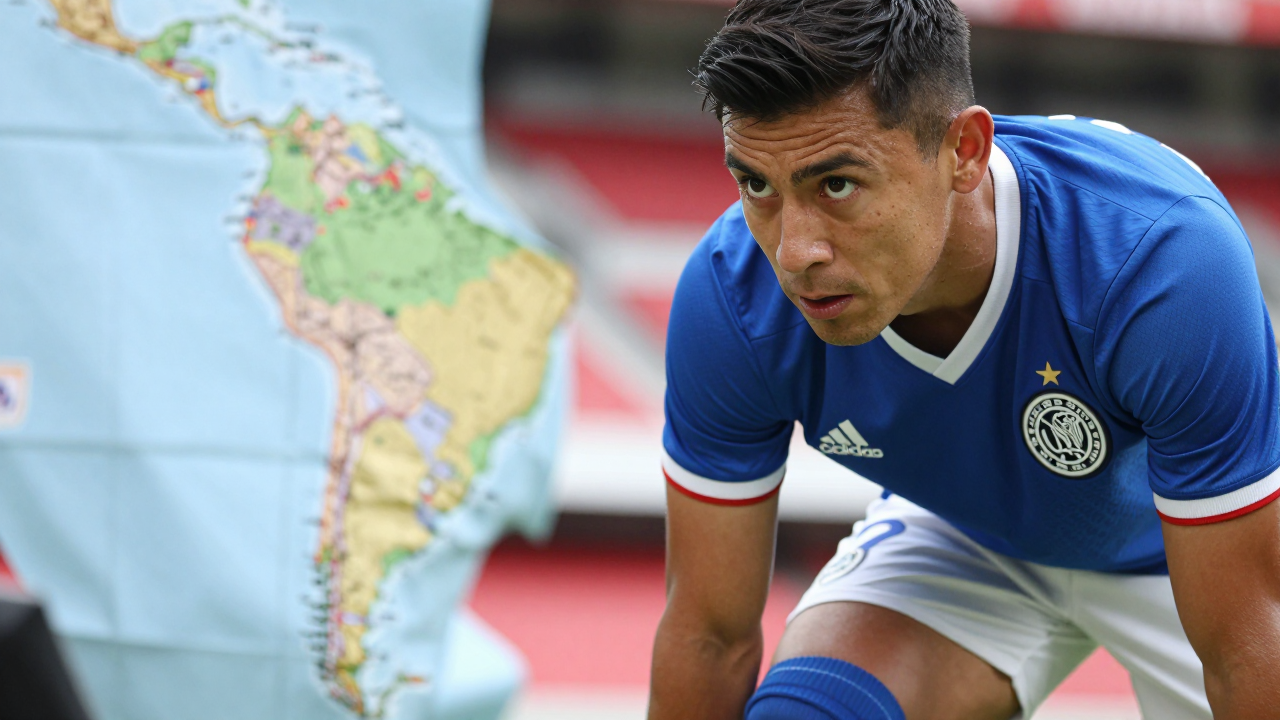
In the latest call-up, a notable change in the lineup was evident, highlighting young talents such as Santiago Giménez and Alexis Vega, who are poised to lead the attack. The inclusion of these players not only rejuvenates the squad but also brings dynamism and freshness to the team’s playing style.
Tactical Analysis
Under the direction of coach Diego Cocca, the Mexican national team has embraced a more offensive approach compared to its predecessors. This tactic seeks to maximize the skills of its forwards, employing a 4-3-3 formation that allows for greater freedom in attack. The key to this system lies in high pressing and possession play, representing a significant shift from the more conservative defense that characterized the team in previous cycles.
- Strengths of the new system:
- Increased fluidity in attack.
- Utilization of the wings with players like Diego Laínez.
- High pressing that generates goal-scoring opportunities.
However, this strategy also presents challenges. The defense has shown vulnerabilities, particularly in quick transitions by opponents, which could be a weakness to consider as the tournament approaches.
What This Means for Mexico
The change in playing philosophy reflects an urgent need to adapt to contemporary trends in international football. The Mexican national team has been criticized for its lack of ambition in past tournaments, and this new direction seems to indicate a desire to compete at the highest level. The combination of experience and youth could be the key to success in the 2026 World Cup.
Moreover, the focus on local players and the Mexican league is also a positive step. This not only strengthens the league but also provides players with a sense of belonging and responsibility towards their country. The connection between clubs and the national team becomes increasingly crucial in a context where team cohesion can make the difference.
The Broader Championship Picture
As the 2026 World Cup approaches, the Mexican team must not only focus on its performance but also on the evolution of its main rivals. Teams like the United States and Canada, who are co-hosting the tournament, have shown significant growth in recent years, adding pressure on El Tri to remain competitive.
The development of talent in MLS, as well as in European leagues, is raising the level of football in the region. In this context, Mexico must find its place and reaffirm its traditional strength in CONCACAF football. The competition will intensify, and the team will need to be ready to face these rivals on home soil.
Fan Reaction and Outlook
Mexican fans have received the changes in the national team with enthusiasm. The inclusion of young players has sparked renewed optimism, and many believe this is the right direction for the team. Social media has been filled with positive comments, highlighting Cocca's bravery in taking risks with a bolder lineup.
- Key points from fan reactions:
- Support for the inclusion of young talents.
- Expectations for a more offensive style of play.
- Constructive criticism towards the defense.
Expectations are high, and fans are eager to see how these changes translate into on-field performance. As the World Cup date approaches, fan support will be vital for the team's morale.
What's Next for Mexico?
With the 2026 World Cup on the horizon, the Mexican team faces a path filled with challenges but also opportunities. Upcoming friendlies will be crucial for fine-tuning strategies and consolidating group cohesion. The team will face opponents from various parts of the world, allowing them to assess their progress and make necessary adjustments ahead of the tournament.
This is an exciting time for Mexican football. The blend of youth and experience, along with a new tactical approach, could be the formula that leads El Tri to reach its true potential on the world stage. With the fans on their side and a well-structured plan, the outlook seems promising for the Mexican national team in the 2026 World Cup.