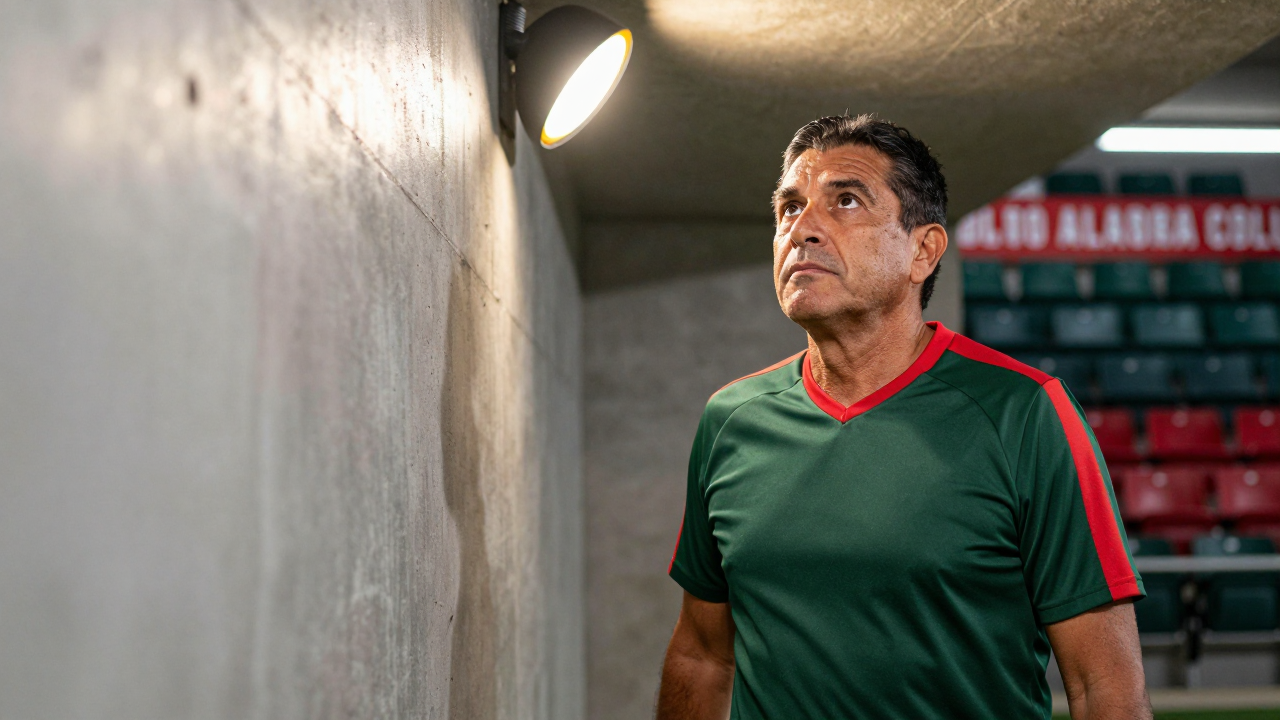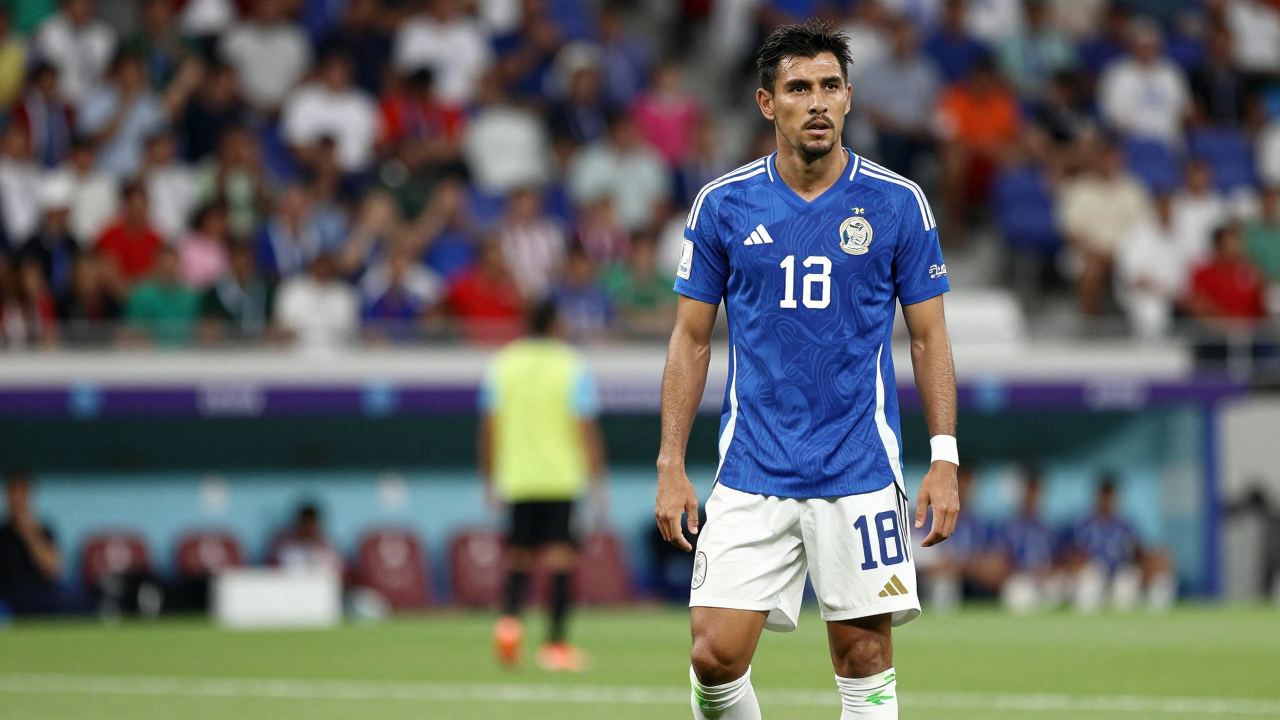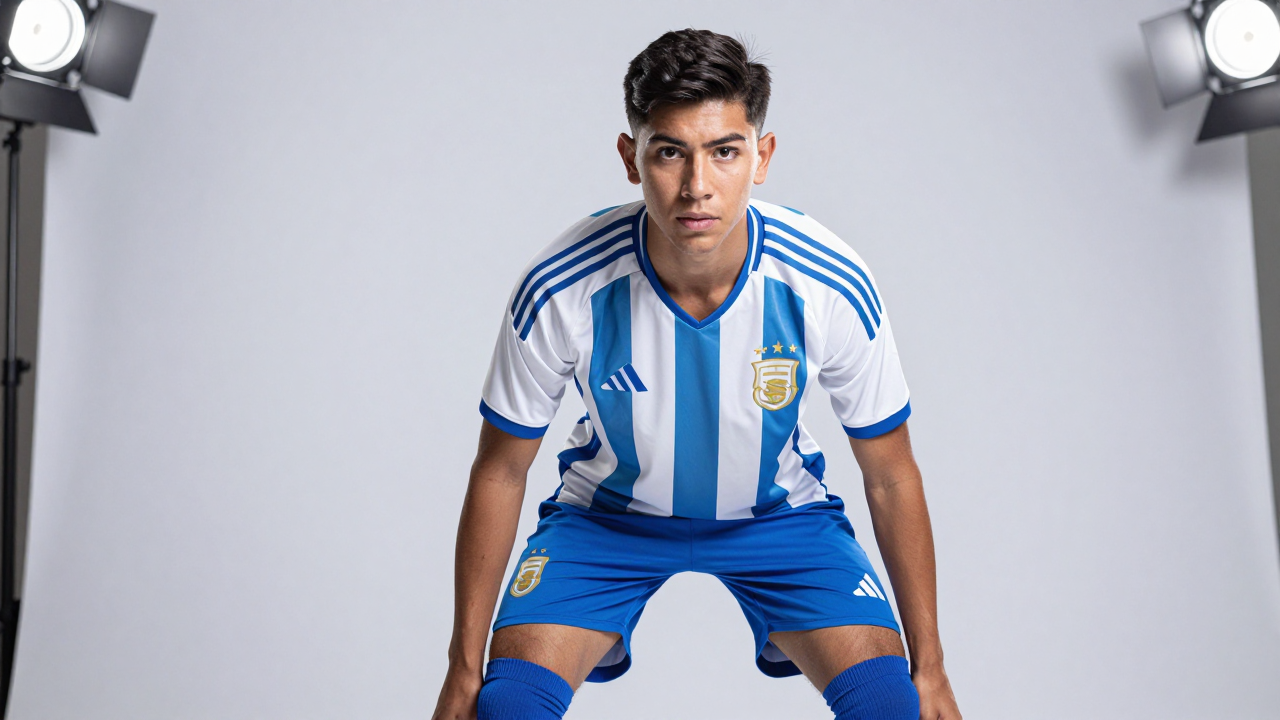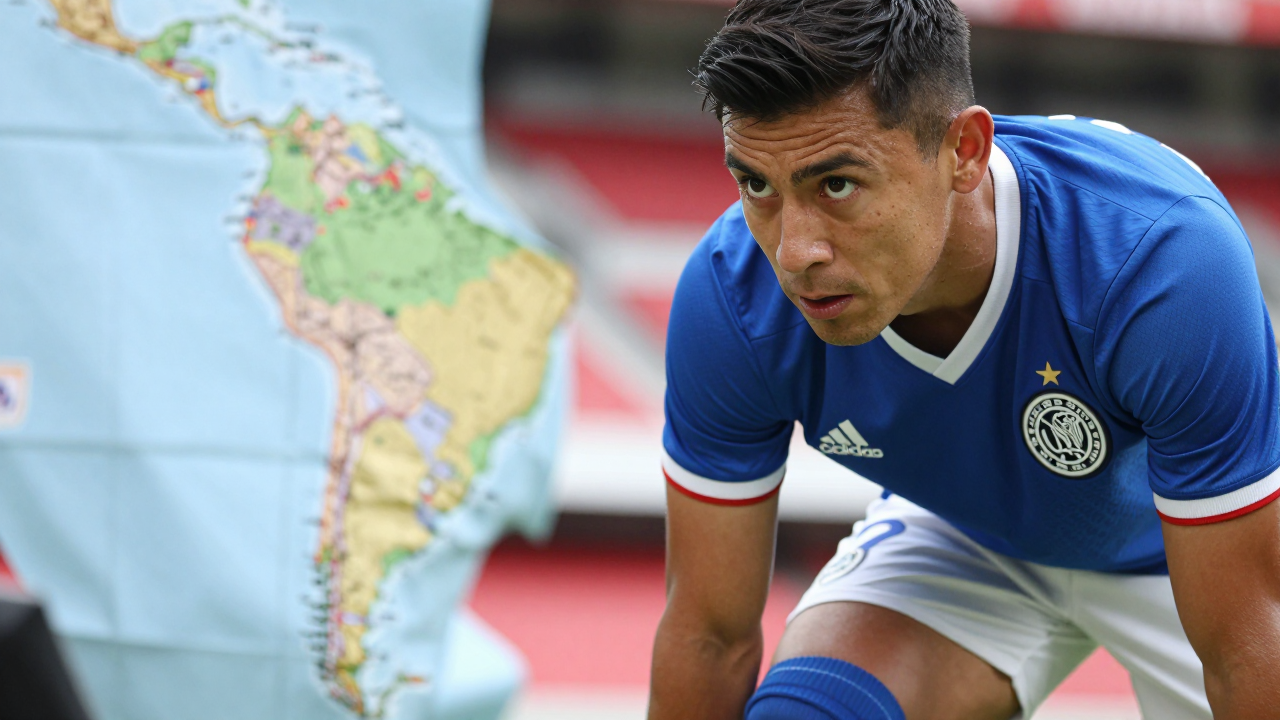
The Mexican national team has had a promising start to its cycle, but recent matches have made it clear that, despite the individual quality of its players, there are tactical adjustments that could enhance their collective performance. In this regard, it's crucial to analyze how roles are distributed on the field and how formations can be optimized to maximize the team's strengths.
In recent matches, the 4-3-3 system employed by the head coach has allowed for good ball circulation but has exposed weaknesses in defense, especially during quick transitions from the opponent. The lack of coordinated pressing and a midfield that doesn’t always cover spaces effectively have been factors that put El Tri's defensive solidity at risk. A possible solution would be to adjust to a 4-2-3-1 formation, where two central midfielders offer greater coverage to the defensive line, allowing full-backs to join the attack without compromising defense.
Moreover, the roles of the wingers should be reconsidered. While players like Hirving Lozano and Alexis Vega can break down defenses and create danger, their defensive work has been inconsistent. Implementing more defined roles in retreating could help maintain pressure on the opponent and avoid counterattacks from being a constant threat. For instance, establishing that wingers drop back to the midfield line during ball loss can add an extra layer of protection, facilitating the transition to a more compact defensive block.
Another aspect to consider is the connection between the midfield and the attack. While the talent of players like Charly Rodríguez and É. Lira is undeniable, the lack of synchronization in movements has led to the forward line not receiving the ball in advantageous positions. Working on movement patterns and understanding the timing of runs into the opponent's area could be crucial to increasing effectiveness in the final third. Incorporating specific finishing exercises into training could help El Tri become a more feared team in front of goal.
Finally, adaptability is key in modern football. El Tri must be capable of changing tactics during a match, depending on the circumstances. Incorporating a plan B that includes a more defensive or offensive approach based on the context of the game could be decisive when facing different styles of opponents. Tactical flexibility could be the element that propels Mexico towards outstanding performance in the 2026 World Cup.
In summary, while El Tri has shown glimpses of its potential, implementing these tactical adjustments could be the key to turning those promises into concrete results. Preparation for the World Cup must include an honest evaluation of current weaknesses and a commitment to continuous improvement. With the right focus, Mexico can aspire not only to compete but to shine on the world stage.