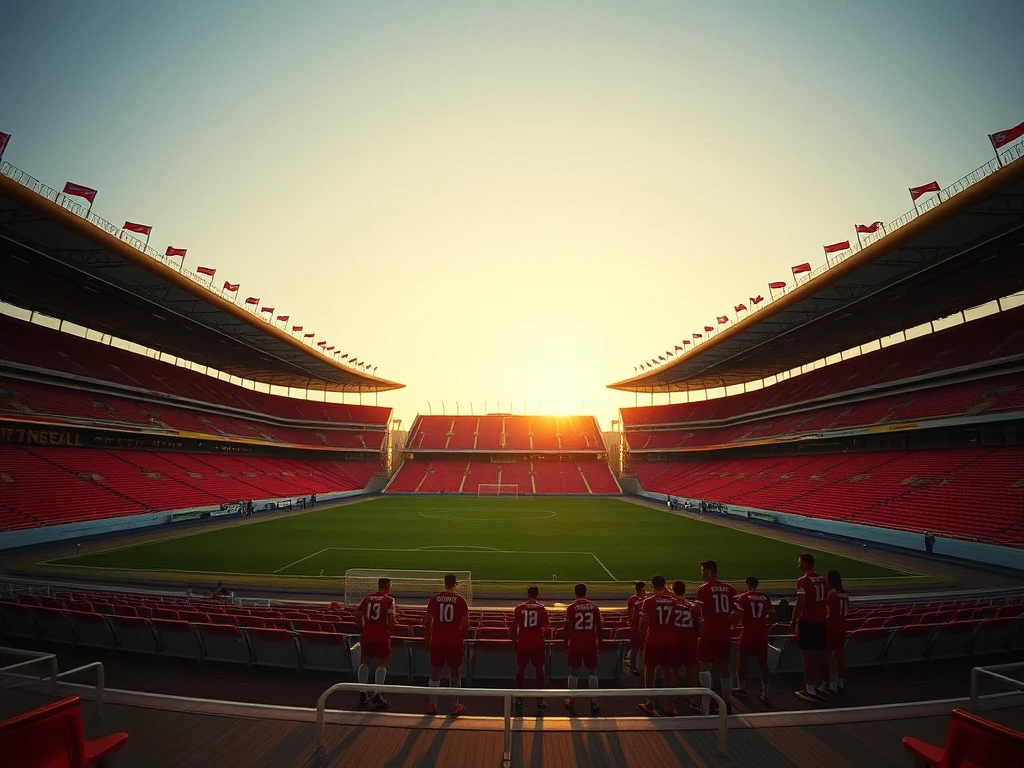

In recent weeks, the Mexican national team has shown flashes of quality but has also evidenced some defensive weaknesses and issues in play creation. With the 2026 World Cup approaching, it is crucial for El Tri to adjust their tactics to maximize their potential.
One area requiring attention is the defensive system. Although Mexico has historically been strong in defense, recent matches have highlighted a lack of cohesion between the center-backs and the full-backs. Implementing a three-center-back formation could provide greater solidity, allowing the wing-backs more freedom to join the attack without compromising defensive security. This setup could facilitate players like Edson Álvarez and César Montes to engage more in the play, while speedsters like Jorge Sánchez could exploit their pace down the flanks.
In midfield, introducing a more defensive pivot, such as the aforementioned Edson Álvarez, could offer a solid base for transitioning between defense and attack. This would allow creative players like Luis Romo and Santiago Giménez to have more freedom to take risks in the final third, where El Tri has shown potential but often falls short. A more dynamic midfield could lead to greater fluidity in offensive play, capitalizing on the movement of their forwards.
Additionally, the team needs to work on their set pieces. The execution of free kicks and corners has been inconsistent and could be a valuable source of goals in critical moments. Investing time in practicing these situations could provide a competitive edge in tight matches.
Finally, it is crucial for the coaching staff to maintain constant communication with the players to ensure everyone is aligned with the tactical vision. Team cohesion is essential, especially in a demanding tournament like the World Cup. With these adjustments, El Tri could not only improve their performance in the qualifying phase but also be serious contenders in the 2026 World Cup.