
A Journey into the Past
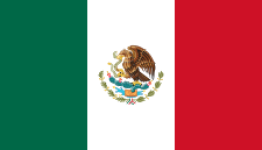
When football is mentioned in Mexico, the World Cup is more than just a tournament; it's an event that unites the nation. The history of El Tri in the FIFA World Cup is deeply significant, especially as the country prepares to host the 2026 World Cup, blending nostalgia with high expectations. In this article, we will explore how Mexico fared in its last two World Cups as hosts: 1970 and 1986.
Memories of the 1970 World Cup
The 1970 World Cup was a landmark in the history of Mexican football. Organized against a backdrop of growing modernization and national pride, Mexico geared up to welcome the best teams in the world. Estadio Azteca, which will become the first stadium to host opening matches at three different World Cups, was the main venue.
- Group Stage: El Tri kicked off their tournament with a tense 1-0 victory over the Soviet Union. They later drew with Italy 1-1 and secured their place in the knockout stage by defeating Sweden 4-1, displaying solid performances that led many to predict a bright future for the team.
- Quarter-finals: In this round, Mexico faced Italy once again. The match was a challenge, yet the hosts emerged victorious, winning 4-1 and advancing to the semi-finals.
The semi-final against Brazil, however, was a harsh reality check. Mexico lost 4-1, but the team's performance left an indelible mark on the national consciousness. The contributions of players like Javier Aguirre and Hugo Sánchez were crucial, and the 1970 World Cup is regarded as a turning point for Mexican football.
The 1986 World Cup: Redemption
Sixteen years later, Mexico once again hosted the World Cup, this time under a different social and political context. The 1986 World Cup took place amidst a climate of hope and resurgence, just after an economic crisis had hit the country. Once again, Estadio Azteca witnessed some of the tournament's most memorable moments.
- Group Stage: El Tri began their campaign with a commanding 2-0 win over Paraguay. They then defeated Belgium 2-1 and Iraq 1-0, securing the top spot in their group.
- Round of 16: In an exciting match, Mexico faced Bulgaria. After a 2-2 draw, the match went to penalties, where Mexico triumphed 4-1, advancing to the quarter-finals.
The elimination in the quarter-finals against Argentina was painful. Although Diego Maradona shone throughout the tournament, the Mexican team displayed great spirit and determination. Argentina's 2-0 victory, highlighted by Maradona's memorable goal, left many Mexican fans with a feeling that the country was on the right path towards international football success.
Impact on Mexican Football Culture
The 1970 and 1986 World Cups left an indelible mark on Mexico's football culture. They not only set standards for the sport within the country but also fostered a sense of national identity. The passion and love for football intensified, with each subsequent World Cup serving as a reminder of what can be achieved.
Additionally, these tournaments have influenced how young talent is developed in Mexico. Football academies and professional clubs have sought to emulate the successes of those years, creating a more structured and professional approach to player development.
Looking Ahead to the 2026 World Cup
With the 2026 World Cup on the horizon, Mexico's history as a host serves as an important benchmark. The lessons learned from the 1970 and 1986 tournaments are crucial for the country’s future plans. Improved infrastructure, modern facilities, and a passionate populace provide the perfect environment for El Tri to shine on the world stage.
- Fan Expectations: The Mexican fanbase has always been an unwavering pillar of support. The experiences drawn from previous World Cups have fueled hopes that this time the team will not only compete but also go far.
- Key Players: The current generation, led by figures such as Hirving Lozano, Raúl Jiménez, and Edson Álvarez, has the potential to match or even surpass the achievements of their predecessors.
What's Next?
Mexico's World Cup history is a narrative of aspirations, struggles, and above all, a deep love for football. Preparing for the 2026 World Cup is not just about hosting an event; it's an opportunity for Mexico to reaffirm its position in the world of football. With the legacy of 1970 and 1986 as inspiration, fans and the team alike hope that the next chapter will be one of success and national pride.