Current Context
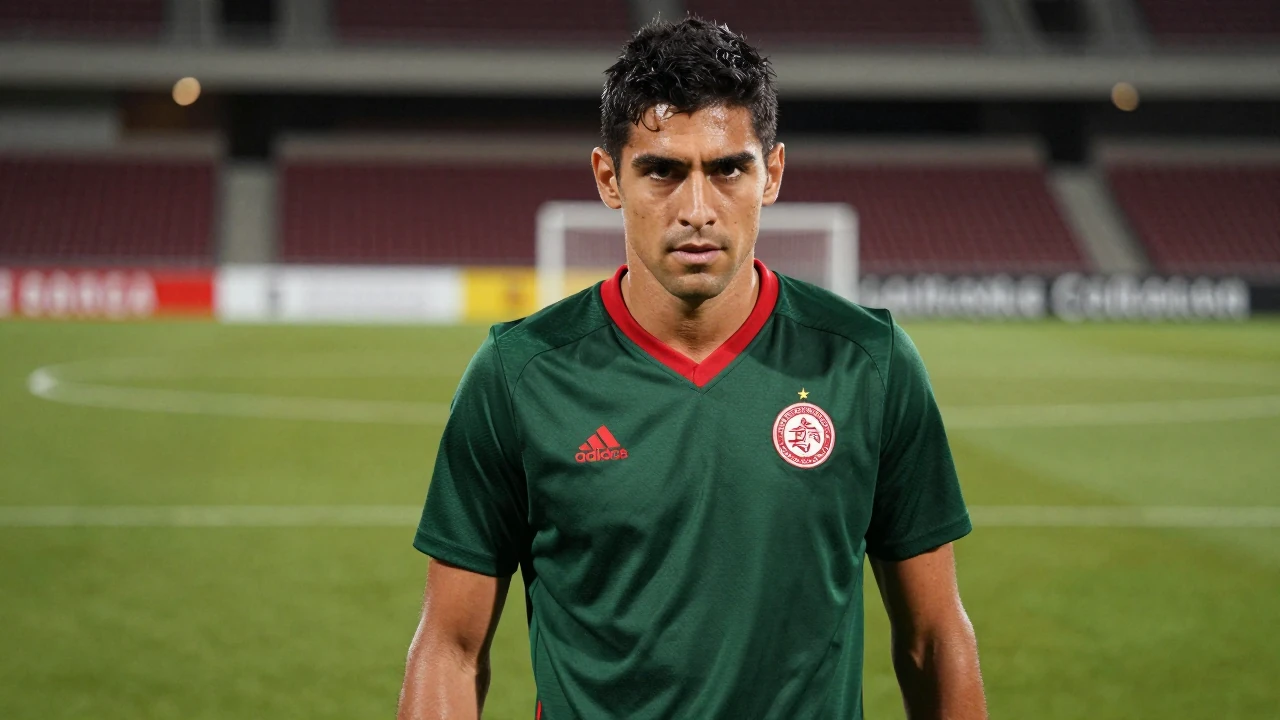
In the final stretch of their preparation for the 2026 World Cup, El Tri has displayed a performance that ranges from flashes of brilliance to moments of uncertainty. Despite having talented players, a lack of cohesion and tactical clarity has been evident in several recent matches. The need for a more structured and less reactive approach is becoming increasingly urgent.
Tactical Analysis
The 4-3-3 system has been the foundation of El Tri's lineup, but its implementation has sometimes fallen short. While this formation allows for dynamic attacking play, defensive transitions have proven vulnerable, especially against teams that press high. Considering a shift to a 4-2-3-1 could be beneficial, providing greater solidity in the midfield and allowing the wingers to better exploit spaces.
Suggested Adjustments
1. Strengthen the Midfield: Incorporating two pivots instead of one could provide greater ball control and facilitate distribution to the wingers. Players like Edson Álvarez and Luis Chávez could form an effective duo, allowing the team to maintain possession and break through opposing defensive lines.
2. Increased High Press: Elevating the pressure on the opponent's ball exit could help regain possession closer to the opposing goal. El Tri needs to work on the synchronization of its forwards so that the press is effective and does not leave gaps at the back.
3. Offensive Versatility: Incorporating players like Alexis Vega or Diego Laínez can add versatility to the attack. If used in more central positions in a 4-2-3-1, they can create more opportunities and open spaces for other players.
Conclusion
With the World Cup approaching, it is crucial for El Tri to adjust their tactical approach. Implementing these modifications could not only enhance their performance in upcoming friendlies but also maximize their potential in the tournament. Cohesion and clarity in strategy will be key for El Tri to finally take a step forward in the pursuit of World Cup glory.