 Mexico Hub
Who took the reins of Mexico?
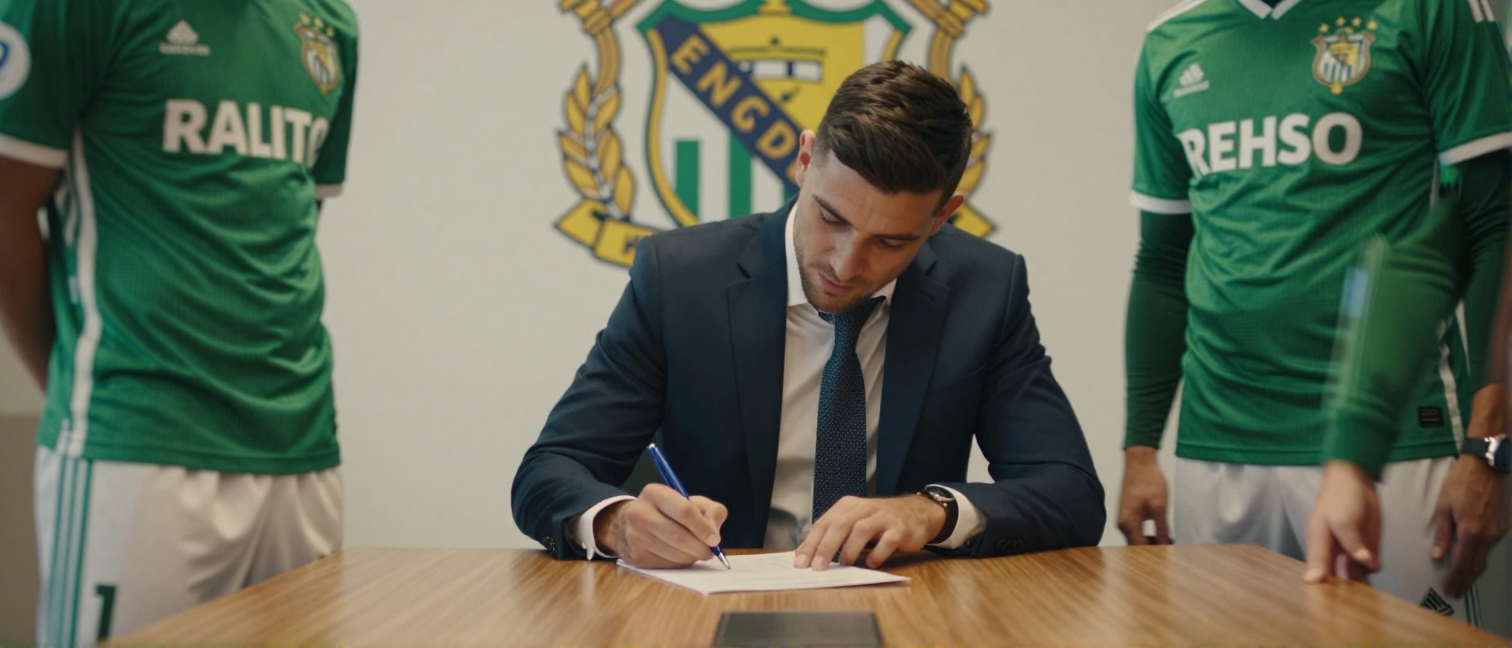
The Mexico national team announced on Monday that Rafael Márquez Álvarez will be the new head coach, replacing Javier Aguirre after the 3‑2 loss to England in the World Cup 2026 round of 16. The decision, already planned by the FMF, aims to continue the project started in 2024 and look ahead to the 2030 World Cup.
What experience does Márquez bring?
Márquez, legendary midfielder nicknamed “El Káiser”, earned 140 caps for Mexico and shone at FC Barcelona, winning the Champions League. After retiring, he managed Barcelona Atlètic from 2022 to 2024 and, since July 2024, served as Aguirre’s assistant. During that stint, Mexico captured the 2025 CONCACAF Nations League and the 2025 Gold Cup, posting a solid defense that allowed 0 goals in the last three World Cup matches, with 6 goals scored and 0 conceded (+6 goal difference).
Why is the timing significant?
The FMF had mapped a succession plan for months; Márquez already had an agreement to take over once Aguirre’s cycle ended. In the post‑match press conference, Aguirre said: “I know for sure this was my last game as Mexico’s coach.” The new manager will start officially in the next FIFA window, likely in September, and his priority is to solidify the 2026‑2030 project, qualify smoothly and move beyond the round of 16, a stage Mexico has struggled to pass consistently.
What challenges lie ahead?
The main hurdle is breaking the historic pattern of stumbling in the final phases of major tournaments. With Mexico currently 1st in FIFA World Cup 2026, 9 points, 3W‑0D‑0L, and a 5‑point lead over South Africa, expectations are high. Moreover, the recent 1‑2 loss to Paraguay on 2025‑11‑19 shows that, despite a sturdy backline, tactical tweaks are needed. Márquez must blend young talent, keep defensive solidity, and boost attacking efficiency to avoid results like the LLDDD run of the last five games, where the two most recent were defeats.
What’s next for the squad?
Upcoming friendlies and the 2030 World Cup qualifying campaign will serve as Márquez’s testing ground. The FMF emphasized the need for youth and a playing style that merges European tactical discipline with Mexican creativity. If he can maintain the current lead and improve offensive output, Mexico could finally break the round‑of‑16 ceiling and become a serious contender in a future World Cup.
Rafael Márquez arrives with the mission to turn the disappointment of elimination into a growth platform, eyes set on making Mexico a strong challenger by 2030.