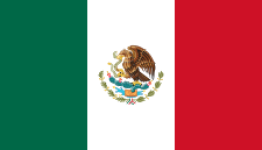

The 1970 World Cup, held in Mexico, was not just a sporting event but a cultural milestone that united a nation. El Tri, led by the iconic coach Mario Alberto Kempes, entered the tournament with a mix of hope and pressure, as the country was the host and expectations were sky-high. At that time, Mexican football was at a crossroads, and the World Cup represented a unique opportunity to showcase its worth on the global stage.
During the group stage, El Tri faced Sweden, Italy, and the formidable Uruguay team. A crucial moment came in the match against Italy, where a 4-1 victory not only overflowed with joy for fans but also put Mexico on the map of international football. The standout performances of players like Javier 'Chicharito' Hernández and the legendary goalkeeper Antonio Carbajal, who became the first player to participate in five World Cups, were key to the team's success.
However, the true climax of that World Cup arrived in the quarter-finals when Mexico faced Uruguay again. In an exciting match, El Tri managed to advance to the semi-finals with a last-minute goal that resonated in the hearts of the fans. This triumph was not just a sporting achievement; it represented a cultural victory, a moment when national pride soared above all.
The semi-final against Italy was a match that will be etched in the memories of fans. Although Mexico did not manage to reach the final, its performance in the tournament was so impactful that it left an indelible mark on football history. The 1970 World Cup not only solidified El Tri as a respected team but also ignited a passion for football that endures to this day.
As we prepare for the 2026 World Cup, it is essential to remember this historical moment and how it shaped the identity of El Tri. The pressure of playing as hosts in 1970 is similar to what we will face again, and the memories of that tournament should serve as inspiration for the future. Mexico's football history is filled with unforgettable moments, and the 1970 World Cup is undoubtedly one of the brightest and most significant.