 Mexico Hub
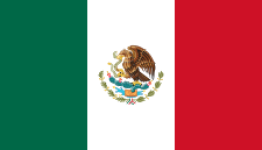
Mexico leads the 2026 World Cup with 9 points after three straight wins (6 goals scored, none conceded), but its bond with the tournament goes deeper than stats: 40 years after Annie Leibovitz’s iconic 1986 photos, they remain the soul of a nation that blends football and culture. The Mexico 86: The World United by a Ball exhibit in Madrid has reignited the legacy of that first World Cup hosted by Mexico—a legacy now repeated as the country co-hosts for the third time, alongside Canada and the U.S.
Why Leibovitz’s Photos Changed Everything
The assignment was groundbreaking: for the first time, official World Cup posters wouldn’t be illustrations but photographs merging football with pre-Hispanic heritage. The brief was simple: man, ball, land. Leibovitz captured players like Hugo Sánchez alongside the Aztec eagle, creating images still hanging in Mexican homes as national pride. «They’re the essence of what it means to host,» said Héctor Orozco, the exhibit’s curator.
How This Legacy Fuels Mexico 2026
El Tri, undefeated in their last five matches (4 wins, 1 loss to England on July 6), carries that spirit of resilience. Mexico tops the group with a 5-point lead over South Africa, and its history as a host—from the 1985 earthquake to now—echoes in 2026. «Leibovitz’s photos were the flag of a nation rising up,» Orozco noted. Today, with 6 goals scored and none conceded, the team seems to be writing its own chapter of that legacy.
What’s Next for Mexico in the World Cup?
The squad, with 4 wins in their last 5 games, faces Croatia and Spain in upcoming matches. The Madrid exhibit—running until September 20—reminds us that Mexican football isn’t just about the pitch but also about collective memory. And in 2026, that memory is being rewritten with every goal and victory.