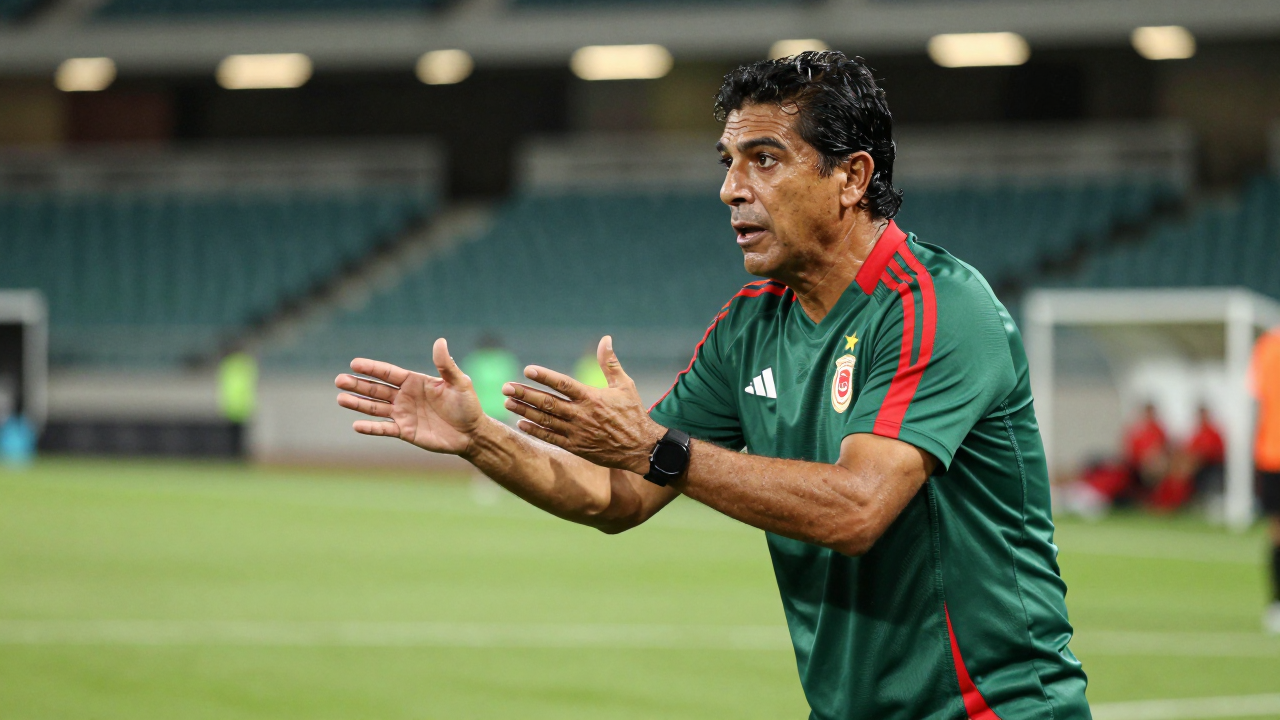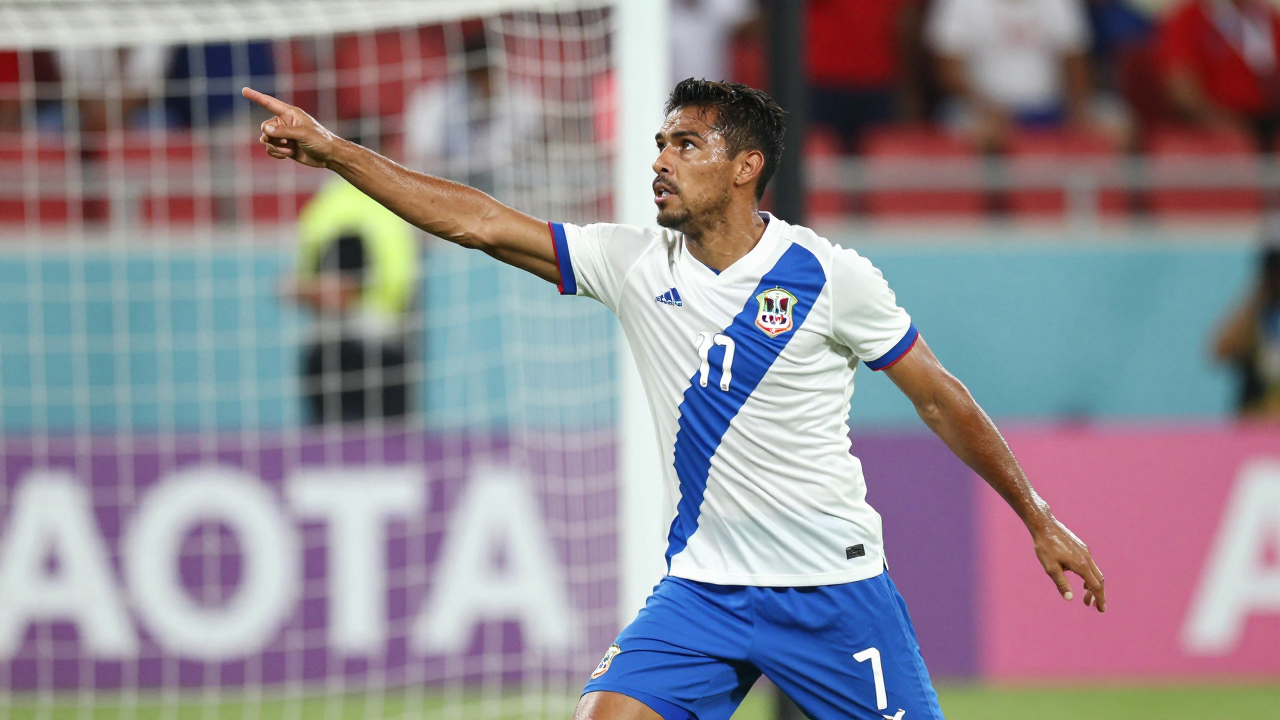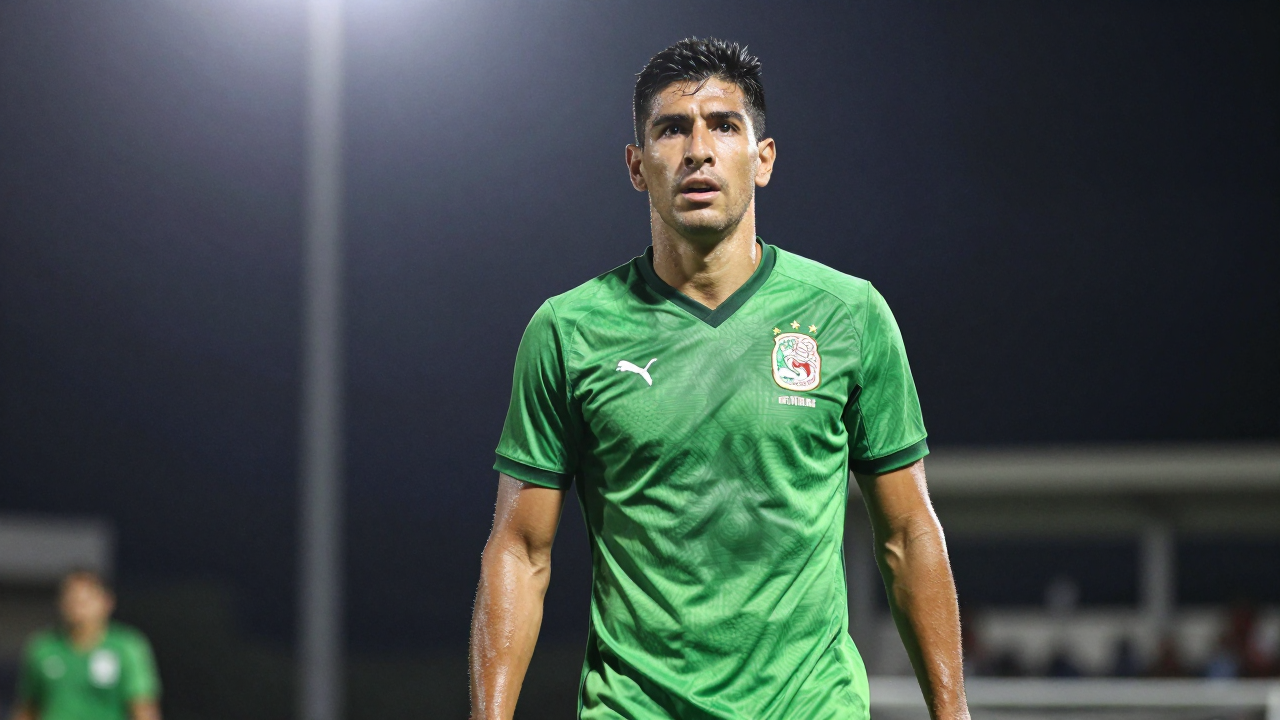
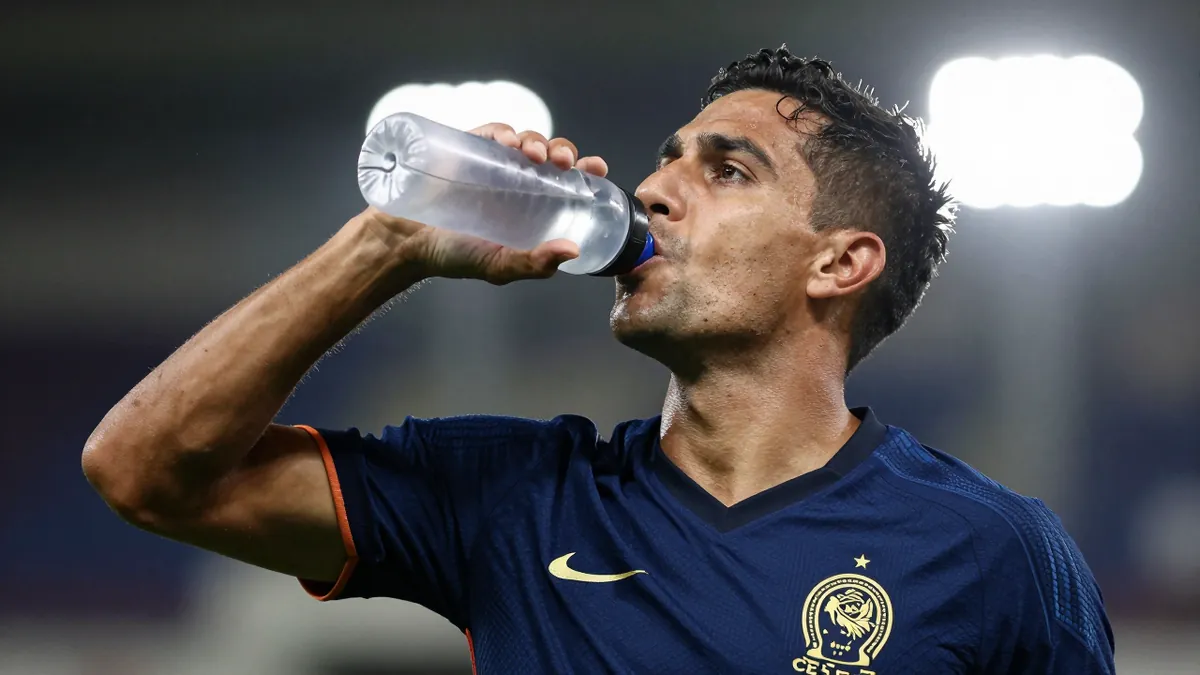
The Mexican national team dominates the 2026 World Cup with 9 points from 3 wins (3W-0D-0L), but the tournament has also sparked debate over mandatory hydration breaks. FIFA implemented these 'cooling breaks' at the 22-minute mark of each half, regardless of weather, marking a radical shift from their 2014 Brazil introduction as an exception.
Why are hydration breaks now mandatory?
In the 2026 World Cup, FIFA removed exceptions. Now, every match includes two three-minute breaks, even in air-conditioned stadiums. Gianni Infantino, FIFA president, defended the measure: "We want to ensure equal conditions for all." However, experts like Víctor Jiménez Aransay, a high-performance physiotherapist, explain that their real goal is to delay fatigue, not recover players.
How does this affect Mexico?
With a 6-0 goal difference, Mexico leads the group with a 5-point advantage over South Africa. Hydration breaks could benefit teams like ours, which play in hot climates. However, they have also made football a more fragmented spectacle, with tactical and advertising interruptions.
What's next?
The debate continues: Are these breaks an improvement for player health or an obstacle to the game's flow? With Mexico at the top of the tournament (last result: 2-3 against England on July 6), the team must adapt to these new rules while maintaining its unbeaten streak.