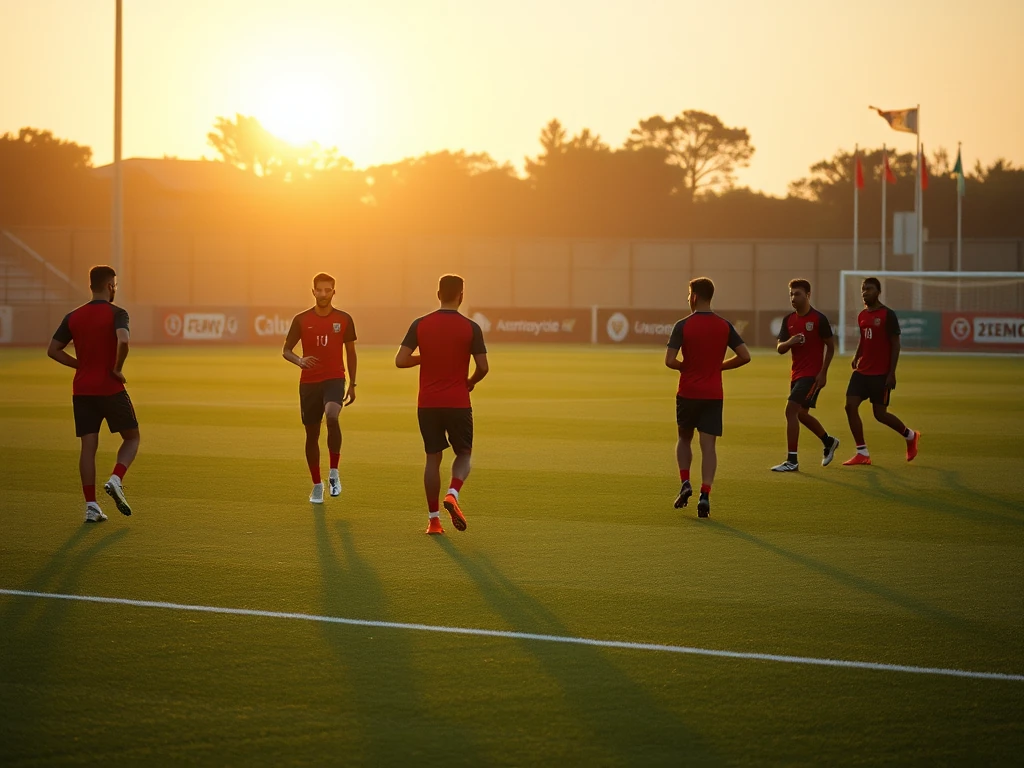
In recent matches, El Tri has displayed flashes of its potential but also highlighted deficiencies that could be detrimental in the context of the World Cup. The current lineup, while talented, has struggled with cohesion and offensive fluidity, suggesting that tactical adjustments are needed to maximize their performance.
One of the most concerning aspects has been the transition between defense and attack. Often, El Tri finds itself stagnant in midfield, preventing them from capitalizing on the spaces left by opponents. Consider adopting a more dynamic approach with a 4-3-3 formation, where wingers stay wide and midfielders have the freedom to join the attack. This would not only allow for greater width in play but also facilitate the creation of passing triangles, increasing the fluidity of ball circulation.
Defensively, El Tri has shown vulnerabilities, especially in counterattack situations. Here, implementing a higher defensive line could be effective, pressing the opponent in their half and forcing errors. However, this would require center-backs like César Montes to maintain solid communication and be prepared to cover the spaces behind them. Additionally, incorporating a more robust defensive midfielder who can act as a link between defense and midfield could allow full-backs to advance more without compromising defensive solidity.
Utilizing young players like Marcel Ruiz could be key to injecting dynamism into the team. Given the unpredictable nature of tournaments, having fresh and energetic players can make a difference. It is essential for the coaching staff to assess these players' ability to quickly integrate into El Tri's play.
In conclusion, while El Tri has rich talent, the key to their success lies in tactical adaptability. With strategic adjustments that promote quicker transitions, a wider game, and a more solid defense, the team can elevate its performance and compete at the highest level in the 2026 World Cup.