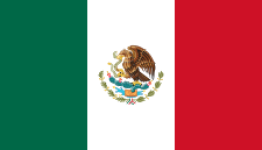

Zendejas and His Decision
Alejandro Zendejas, an emerging talent in Mexican football, has made an unexpected choice by rejecting the opportunity to represent El Tri. Despite his stellar performances in Liga MX, where he has proven to be a key player for his club, Zendejas has opted not to join the national team at this critical juncture. Such decisions often spark intense debate among fans and analysts, as each player has their own reasons.
One factor that may have influenced his decision is the pursuit of stability in his career. Some players prefer to focus on their development at the club level before assuming the pressure of representing their country. Additionally, the current context of Mexican football-focused on rebuilding the team after recent disappointments in the World Cup-might have discouraged Zendejas from joining.
The Context of Mexican Football
The Mexican national team has faced a series of challenges in recent years, especially with the build-up to the 2026 World Cup. The need to rejuvenate the squad has been a recurring theme, and players like Zendejas are viewed as part of this future. However, with the pressure of meeting expectations, some choose to take a step back.
The competitive environment in Liga MX also plays a crucial role. Players often feel more comfortable in their clubs, where they have developed strong relationships and found their rhythm. Zendejas, for his part, has been on an impressive run, which leads him to prioritize his club performance over national team duties.
The Impact of Zendejas on El Tri
Zendejas' absence could be a significant blow for El Tri, as his skill on the pitch could have made a substantial difference. With his ability to break down defenses and create opportunities, his presence in the national team could have been a game-changer in upcoming crucial matches.
- Technical Skill: Zendejas is known for his excellent ball control and vision.
- Versatility: He can play in various attacking positions, offering flexibility to the coach.
- Recent Performance: He has demonstrated a high level in Liga MX, being one of the top scorers for his team.
His decision to decline the national team raises questions about the culture within the national setup and whether players feel that the expectations are too high. While the focus on the 2026 World Cup is critical, it’s also important to consider the well-being of players and their individual development.
Gignac’s Move to MLS
Meanwhile, the news that André-Pierre Gignac, a stalwart of Mexican football, is considering a move to MLS has captured significant attention. Gignac has been instrumental in the recent history of Tigres UANL, leaving an indelible mark on the club. His potential move could change the landscape of both Liga MX and MLS.
Gignac's departure would not only impact his club but could also open opportunities for other talents in Liga MX. With his exit, we could see a shift in team dynamics and the arrival of new players eager to fill his shoes. This movement also underscores the growing allure of MLS for elite players, raising questions about the competitiveness of Liga MX moving forward.
Fan Perspective
The reaction from fans regarding Zendejas' decision and Gignac's potential move has been mixed. Many support Zendejas' personal choice, understanding that each player must prioritize their careers based on their circumstances. However, some feel that such decisions reflect a larger issue within the national team setup.
On the flip side, news of Gignac's possible move has generated excitement among MLS fans, who see him as a player capable of further elevating the league's profile. The blend of international talent in MLS can enrich the fan experience and raise the level of competition in the United States.
What This Means for Mexico
Zendejas' decision not to join El Tri may be symptomatic of a deeper issue facing the national team. As the 2026 World Cup approaches, the choices players make become increasingly critical, and the pressure on emerging talents will only rise. It’s essential for the national team to find ways to attract players like Zendejas, who represent the future of Mexican football.
With Gignac potentially leaving Liga MX, clubs must prepare to adapt and seek new talents. The future of Mexican football hinges on its ability to retain its stars and attract new prospects. Over time, these decisions will shape the path to the 2026 World Cup and determine whether El Tri can compete at a world level.
What’s Next?
The current situation invites a deep analysis of how Mexican football addresses these challenges. Decisions made now could have lasting impacts on the development of the next generation of players. Fans will be closely watching how these developments unfold and their influence on El Tri's performance on the global stage.
Meanwhile, Liga MX will need to adapt to the possible departure of Gignac and find new ways to maintain its status as one of the most competitive leagues in America. The evolution of Mexican football depends on these dynamics, and only time will tell how the upcoming chapters will unfold.